When you hear someone confess to a crime, it feels like case closed, right? After all, why would anyone admit to something they didn’t do? But the truth is far more complicated—and disturbing. False confessions are not only real, they happen more often than most people realize. Behind those confessions are hours of pressure, fear, exhaustion, and manipulation. This is what’s known as the “confession trap”—a psychological and legal minefield that can lead even the most innocent person to say they’re guilty.
The Power of Interrogation Tactics
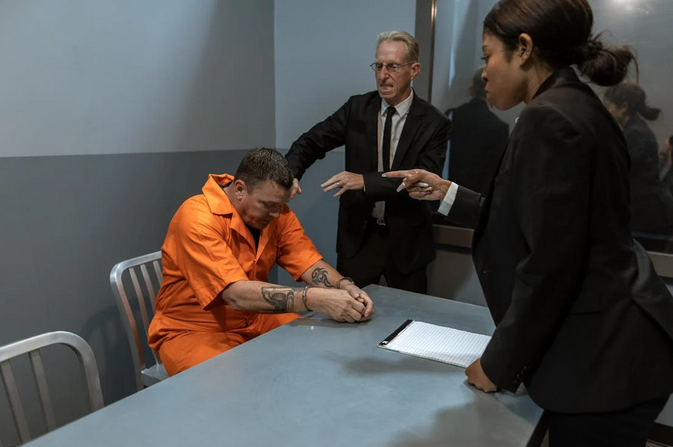
Modern police interrogation methods can be incredibly intense. Techniques like the Reid method are designed to wear suspects down, sometimes lasting for hours without breaks. Interrogators may lie about evidence, suggest leniency, or imply that confession is the only way out. While this approach might work on guilty suspects, it can be devastating for innocent ones—especially those who are young, scared, or confused.
Fear and the Desire to Escape
Imagine being in a small room for hours, cut off from the outside world, while people in authority suggest you’ll face decades in prison if you don’t cooperate. For many, the instinct to escape the situation becomes overwhelming. False confessors often say they believed that if they just told the police what they wanted to hear, they could go home. Unfortunately, that confession usually seals their fate instead.
Vulnerable Populations Are Most at Risk

Certain groups are far more likely to give false confessions. This includes minors, people with intellectual disabilities, and those with mental health challenges. These individuals may not fully understand their rights, the long-term consequences of confessing, or even the questions being asked. They’re more suggestible, more likely to want to please authority figures, and more susceptible to pressure.
Confessions Can Be Shockingly Convincing
One reason false confessions are so damaging is that they sound incredibly convincing. Police may feed suspects specific details about the crime during the interrogation, whether intentionally or not. Later, when the confession is played in court, it appears that the suspect knows things only the perpetrator would know—when in fact, they were coached into saying it. Jurors often struggle to believe that someone would confess to a serious crime they didn’t commit, even when the evidence suggests otherwise.
The Legal System Isn’t Set up to Catch It

Once a confession is made, the system tends to stop looking for other suspects or alternative explanations. Prosecutors focus on building their case, and judges or juries can see a confession as a “smoking gun.” It takes an enormous amount of effort—usually from defense attorneys or innocence projects—to undo the damage. In some tragic cases, the confession outweighs even strong DNA evidence pointing to someone else.
Real Lives, Real Consequences
False confessions aren’t just a legal quirk—they ruin lives. People have spent decades in prison because of them. Families are torn apart. The real perpetrators often go free. And when the truth finally comes out, it’s cold comfort to someone who’s spent years behind bars. These aren’t just mistakes—they’re tragedies that could be prevented with better safeguards.
Confessions may seem like the end of the story, but in reality, they should be the start of some serious questions. Why did the person confess? Were they vulnerable? Was the interrogation fair? We need to move away from the idea that a confession equals guilt, and instead look at the full picture. Because sometimes, the most compelling stories are also the most heartbreaking—and they remind us that justice should never rely on pressure over truth.